Why the New Year Feels Like a Reset Button (Even Though Nothing Actually Changes)
Every January, we act like the calendar has supernatural powers. It doesn’t.
OPINION
Ananya Rao
12/31/20253 min read

Every year, without fail, January 1st arrives and we collectively lose our minds.
Suddenly, it’s “new year, new me.”
Suddenly, people who haven’t stretched since school assembly are signing up for marathons.
Suddenly, we’re convinced that waking up one random morning has transformed us into disciplined, emotionally regulated, green-juice-drinking adults.
Here’s the uncomfortable truth:
January 1st is just January 1st.
Same brain. Same habits. Same unresolved issues. Same unread emails.
And yet, t feels different.
Not because anything materially changes overnight, but because our brains love symbols. And the New Year is the biggest symbolic reset button we have.
Why the New Year Feels Like a Fresh Start
Psychologists call this the “Fresh Start Effect.”
A concept popularized by researchers at the Wharton School, it explains why people are more motivated to pursue goals after temporal landmarks—like birthdays, Mondays, or yes, January 1st.
These moments create a mental separation between:
Past you (the mess)
Future you (the fantasy)
The calendar flips, and your brain says:
“Cool. That version of me? Dead. We’re starting over.”
It’s not logical. It’s emotional. And it works—temporarily.
Google search data backs this up. Searches for:
“gym membership”
“diet plans”
“how to get my life together”
Spike massively in early January. By February? Flatline.
The Resolution Reality Check (Brace Yourself)
Let’s talk numbers, because vibes alone won’t save you.
According to multiple studies:
Only about 9–12% of people actually keep their New Year’s resolutions
Around 80% quit by mid-February
Most people abandon them within 2–3 weeks
Why?
Because resolutions are usually:
Too vague (“be healthy”)
Too extreme (“no sugar ever again”)
Too disconnected from real life (“wake up at 5am” for someone who sleeps at 2)
We don’t fail because we lack motivation.
We fail because we confuse motivation with identity change.
You Don’t Change Overnight. Your Nervous System Knows That.
Your habits are not just “choices.”
They’re patterns wired into your nervous system.
You don’t wake up on January 1st with:
A new stress response
A new relationship with discipline
A new emotional regulation system
That stuff takes repetition. Safety. Consistency.
Your brain’s job is to keep you alive, not reinvent you every January.
So when you suddenly demand:
10 new habits
zero mistakes
perfect discipline
Your nervous system panics and says,
“Absolutely not.”
Cue burnout. Cue guilt. Cue quitting.
Why We Still Love the New Year (And That’s Okay)
Here’s the part no one says out loud:
The New Year isn’t stupid. Our expectations are.
The illusion of a reset can be useful, if you treat it like a starting line, not a personality transplant.
Research shows people are more likely to:
Reflect on their lives
Set intentions
Recommit to long-term goals
During temporal landmarks.
So no, January isn’t magic.
But it is a psychological doorway.
The problem starts when we try to sprint through it instead of walking.
The Real Reason Most Resolutions Fail
It’s not laziness.
It’s not lack of willpower.
It’s this:
We set goals based on who we wish we were, not who we are.
Example:
Someone exhausted sets a goal to wake up earlier.
Someone emotionally overwhelmed sets a goal to “be positive.”
Someone burned out sets a goal to “hustle harder.”
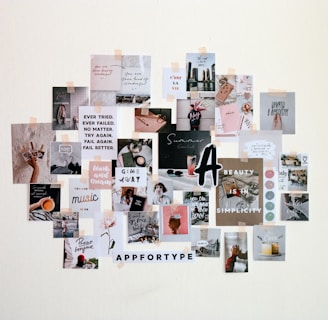
That’s not growth. That’s self-rejection wearing a vision board.
Change sticks when it feels:
Small
Boring
Repetitive
Slightly underwhelming
Not dramatic. Not aesthetic. Not Instagram-worthy.
What Actually Works (According to Science, Not Hustle Culture)
Studies on habit formation consistently show:
Environment beats motivation
Consistency beats intensity
Identity follows behavior, not the other way around
People who succeed don’t say:
“I will work out every day.”
They say:
“I will put my shoes near the door.”
“I will walk for 10 minutes.”
“I will not aim for perfect.”
Unsexy? Yes.
Effective? Extremely.
A Better Way to Think About the New Year
Instead of asking:
“What do I want to change?”
Ask:
“What can I support?”
Support your:
Energy
Sleep
Nervous system
Capacity
Instead of:
“I’ll fix everything this year.”
Try:
“I’ll stop making my life harder than it needs to be.”
Radical, I know.
The Quiet Truth About Real Change
Real change doesn’t announce itself on January 1st.
It shows up:
On a random Tuesday
In small decisions
In boring consistency
In choosing “good enough” over “perfect”
The New Year doesn’t change you.
What you repeat does.
So yes, celebrate the reset feeling.
Use the momentum.
Enjoy the symbolic clean slate.
Just don’t expect the calendar to do the work for you.
It won’t.
And honestly?
That’s kind of empowering.